During my trip to La Palma I was hosted by Jet2, however, all thoughts and opinions are my own.
Known locally as La Isla Bonita, the Beautiful Island, La Palma sits in the northwest corner of the Canary Islands and seems perfectly content that most people haven’t found it yet.
When I told friends I was going, every single one replied, “Palma de Mallorca?” No. The other one. The one that isn’t the capital of Mallorca. The one most people, myself included until fairly recently, didn’t know existed – despite the Canary Islands being one of Britain’s most visited holiday destinations.
While Tenerife deals with boozy crowds and Lanzarote fills up its sunbeds, La Palma gets quietly on with being one of the most beautiful islands in the Atlantic. The landscape is volcanic, lush, and genuinely unspoiled.
The other thing it has, and this is harder to appreciate until you arrive, is real silence. It’s truly peaceful. The sort of place that empties the mind. Where the noise of life switches off completely.
To the my surprise, for such a “quiet island”, are the many attractions big and small. Each day brings the opportunity to explore and experience new things that you won’t easily find at home.
For starters, La Palma is home to one of the most important astronomical sites in the world, as well as being a premier destination for dark-sky stargazing. Other unique attractions include volcanic natural hot pools, beautiful beaches made from the finest black sand, and remote fishing settlements hidden within picturesque coves.
The landscape of La Palma in a nutshell
La Palma is a small island, just 47 kilometres long, but it packs a punch, containing more variation than most places ten times its size.
The north is green and densely forested – ancient laurel woodland that wouldn’t look out of place on the set of Jurassic Park. The centre opens up into the vast natural crater of the Caldera de Taburiente, ringed by towering cliffs and pine forest. Head south and the terrain shifts entirely: volcanic ridges, lava fields, and at the tip, bare black rock meeting the sea.
The island has more than 40 distinct microclimates, which sounds improbable until you experience it. You can drive from bright sunshine on the coast, up through cloud and mist in the forest, and out the other side into crisp mountain air within the space of half an hour. Travelling from east to the west, I made the comment that it was like starting in Madeira and ending in Andalusia. It’s quite astonishing.
La Palma planning guide
For those pondering over their next holiday destination, I’ve put together this useful guide of things to do in La Palma. Don’t worry if you’re not able to see and do everything – there are still more beaches I want to visit and more hikes I want to do so I guess I have plenty of reasons to return!
Getting there from the UK
- Manchester: I took a direct flight to La Palma with Jet2. Flights depart twice weekly on Mondays and Fridays. For more inspiration browse all holidays from Manchester Airport with Jet2.
- Flight time: Approx 4.5 hours
- Arrival: La Palma’s airport (SPC) is small and easy to navigate. You’ll be out and on the road quickly.
Best time to go
- La Palma is a year-round destination, blessed with a mild and stable climate throughout the seasons. If you’re pining for vitamin D in the winter, it’s one the few places in Europe to find it.
Where to stay
- Los Cancajos (near the airport and Santa Cruz): A good base if you want easy access to the capital and the eastern coast. I stayed in Hacienda San Jorge with Jet2 – a charming, traditional property set in lush gardens right on the coast.
- The hotel is just a minute’s walk from the beach and ocean. Due to the island’s size, you can get to most places on the island within an hour’s drive. The capital city is just a 10-minute drive away.
- The hotel also offers day trip tours which is ideal for those travelling without a hire-car but wish to explore other regions of the island.
Top 12 Things to Do in La Palma
1. Soak in the natural hot pools
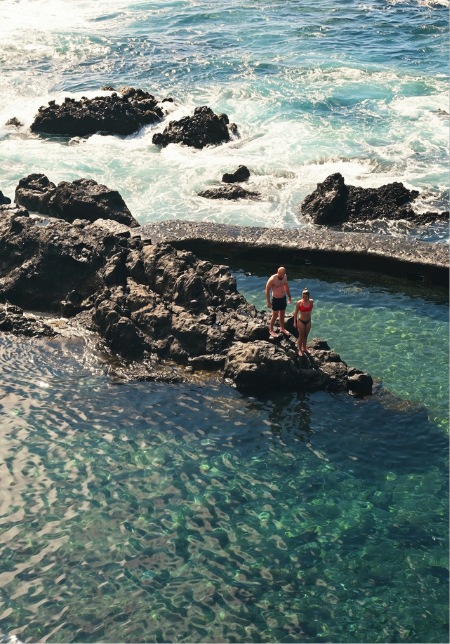
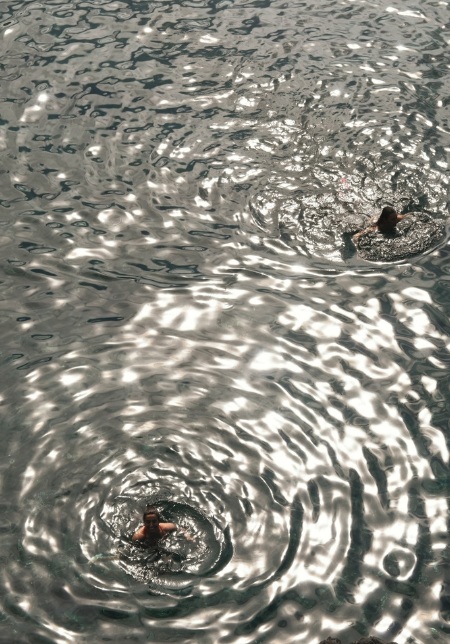
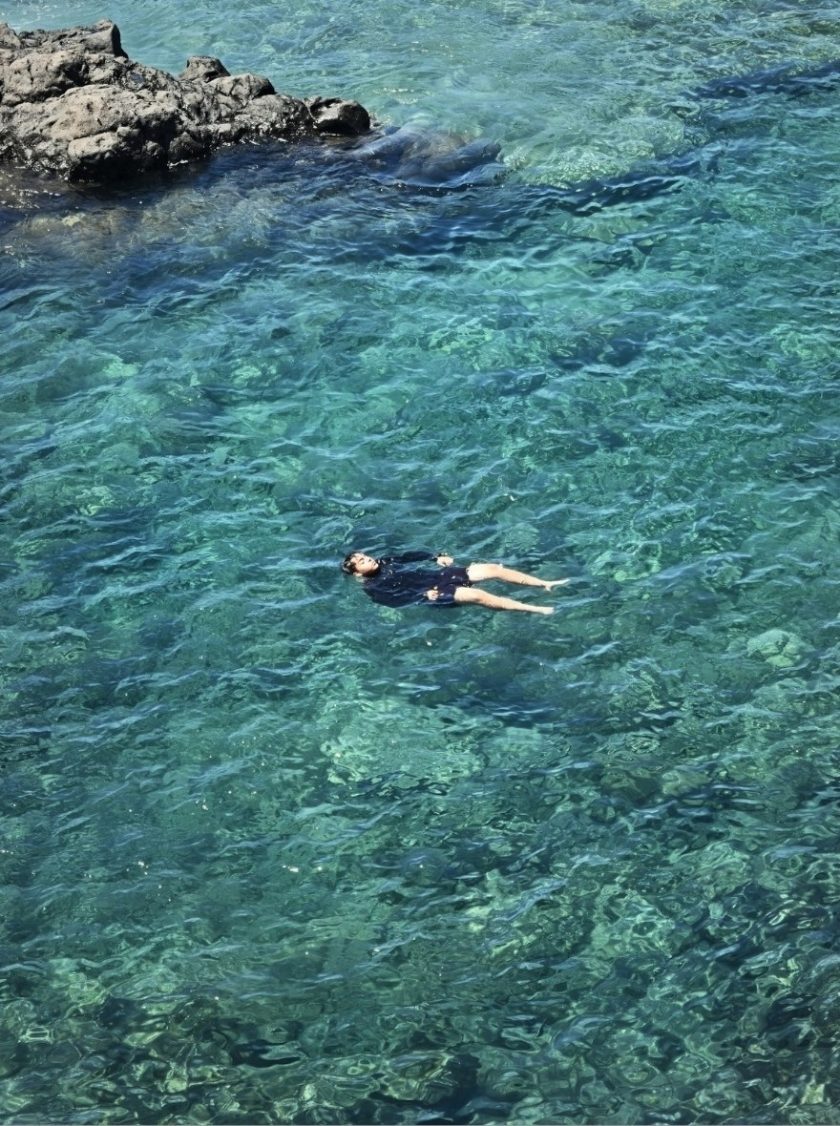
Forget indoor swimming pools, La Palma is home to some of the largest and most beautiful natural swimming pools I’ve ever seen. They are also free to enter which is hard to believe because they trump a visit to a fancy spa in my books.
La Palma’s volcanic geology means the island has warm mineral springs that have been used for centuries. The most storied of these is the Fuente Santa in Fuencaliente – a thermal spring with a long history that was buried by an eruption in 1677 and only re-emerged from beneath the lava after the 2021 Tajogaite eruption shifted the coastline. The water reaches a very cosy 34°C!
In the north, La Fajana in Barlovento offers natural seawater pools carved by waves into the basalt rock. The coastal scenery is dramatic overlooking the Atlantic but the reality of swimming here is much calmer than the open ocean.
Arrive in the late afternoon when the light hits the pools at an angle and everything turns golden. It’s not as warm but the setting makes this place my absolute favourite. A must-do activity in La Palma.
2. Enjoy Playa Nogales – La Palma’s most beautiful beach
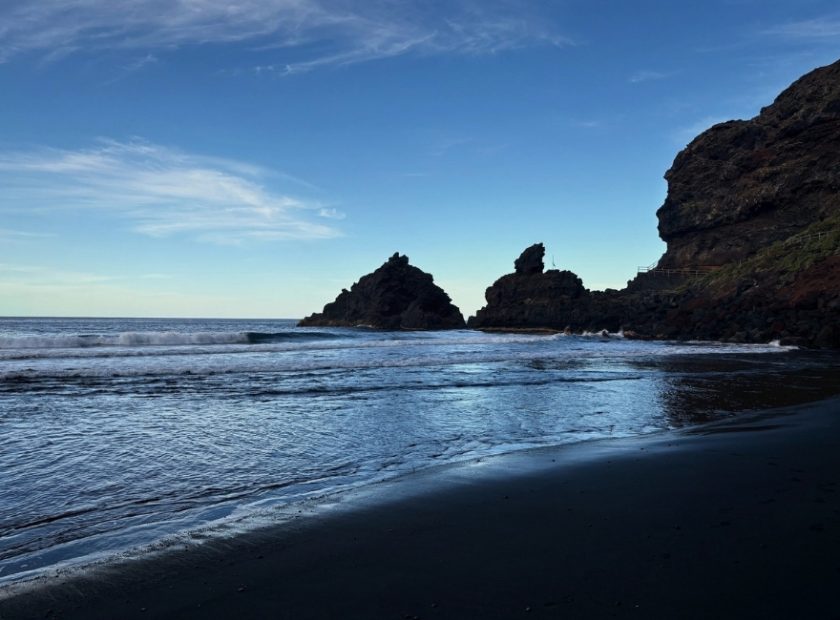
Located near Puntallana in the northeast, sits Playa Nogales at the bottom of a steep paved path with soaring volcanic cliffs on either side and the open Atlantic directly ahead. It’s the kind of epic landscape reserved for cinema.
What really makes Nogales worth the descent is the sense of scale. The cliffs frame the beach in way that dwarves everything else. There’s no beach bar, no sunbed rental, no crowds. Just beach, rock, water, and the sound of the ocean. That soothing sounds like makes everything in the background melt away.
The waves can be serious making it a favourite spot among surfers and bodyboarders. I dipped my toes in but the real enjoyment was simply watching the waves lap the beach. The sand here is incredibly fine and holds its own among the finest beaches in the world – even among those pristine white ones in the Caribbean that hog all the attention.
Although the hike down only takes around 15 minutes (and a little longer coming back up), it deters enough people to keep the visitor numbers low. It’s quite funny to me that the island’s most beautiful beach is also one of the least visited so don’t miss your chance to visit.
3. Visit the tiny harbour of Puerto de Talavera
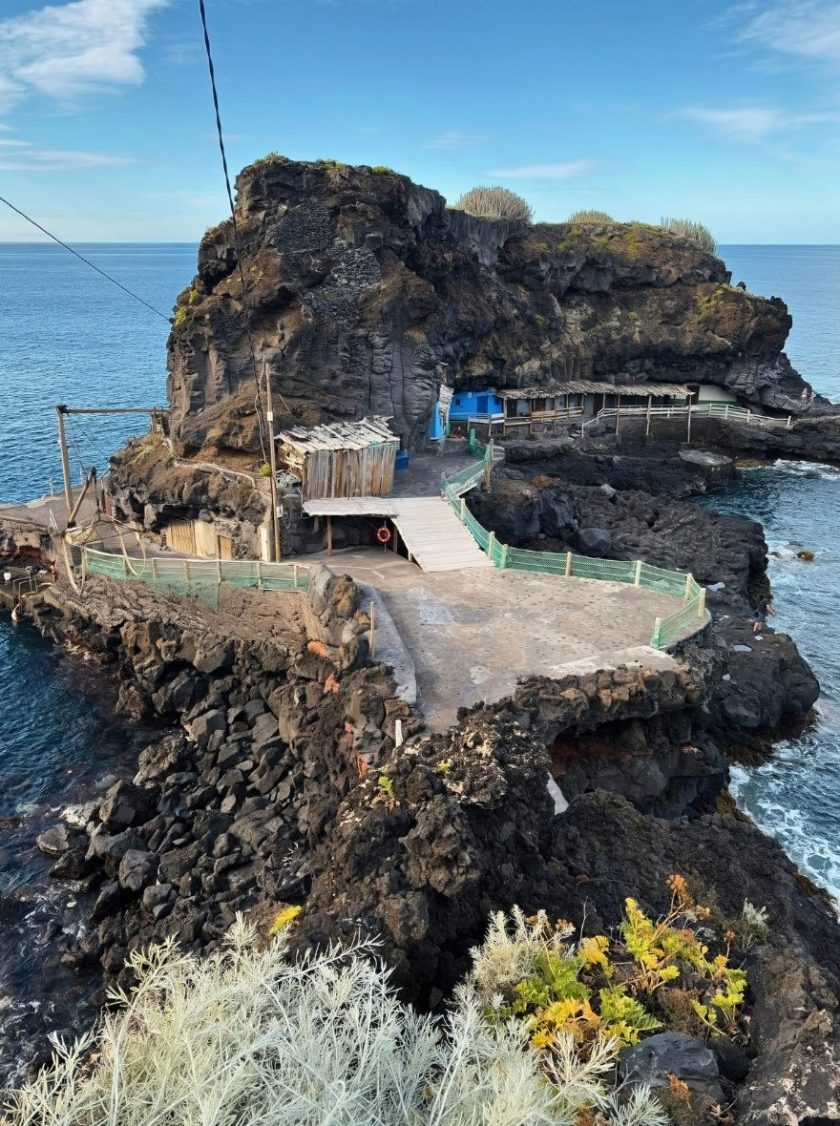
Located close to both Playa Nogales and La Fajana natural pools is Puerto de Talavera, a small, almost forgotten harbour. It doesn’t appear in many travel guides, which is more or less its greatest selling point.
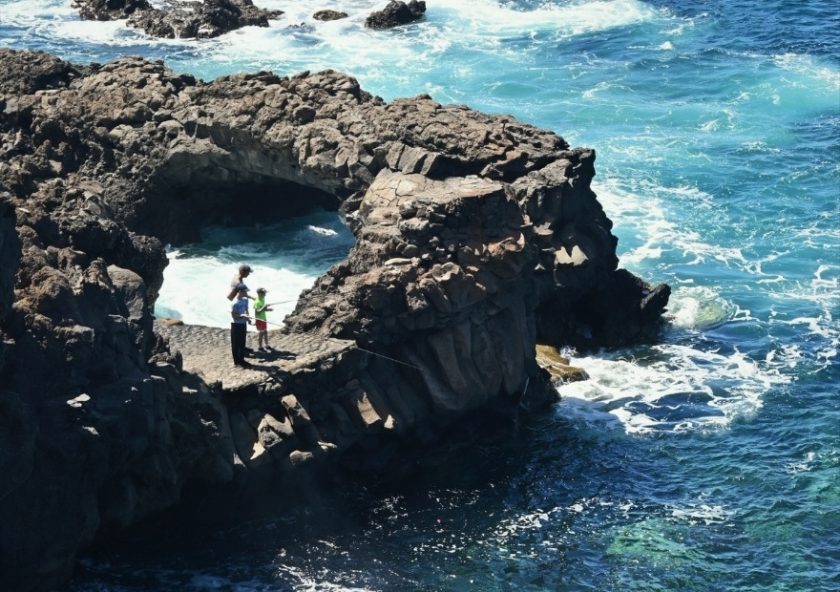
Up until well into the 20th century, it functioned as the main commercial port for the area before the roads made that kind of coastal trade redundant. What’s left now is a quiet, characterful little port that locals use for swimming and fishing.
It’s not a beach, but has a raw, working harbour infrastructure reclaimed for leisure, and that industrial quality is part of what makes it interesting. The surrounding coastline is dramatic and the whole area has the unhurried feel that feels geniunely frozen in time.
It doesn’t take long to walk around, but the forgotten atmosphere will make you want to stay. I spotted a couple of girls on one side posing for a photoshoot, a single guy fishing, and on the other side of the tiny outcrop were a trio of friends enjoying the spot for diving. Bliss!
4. Hike down to Poris de Candelaria
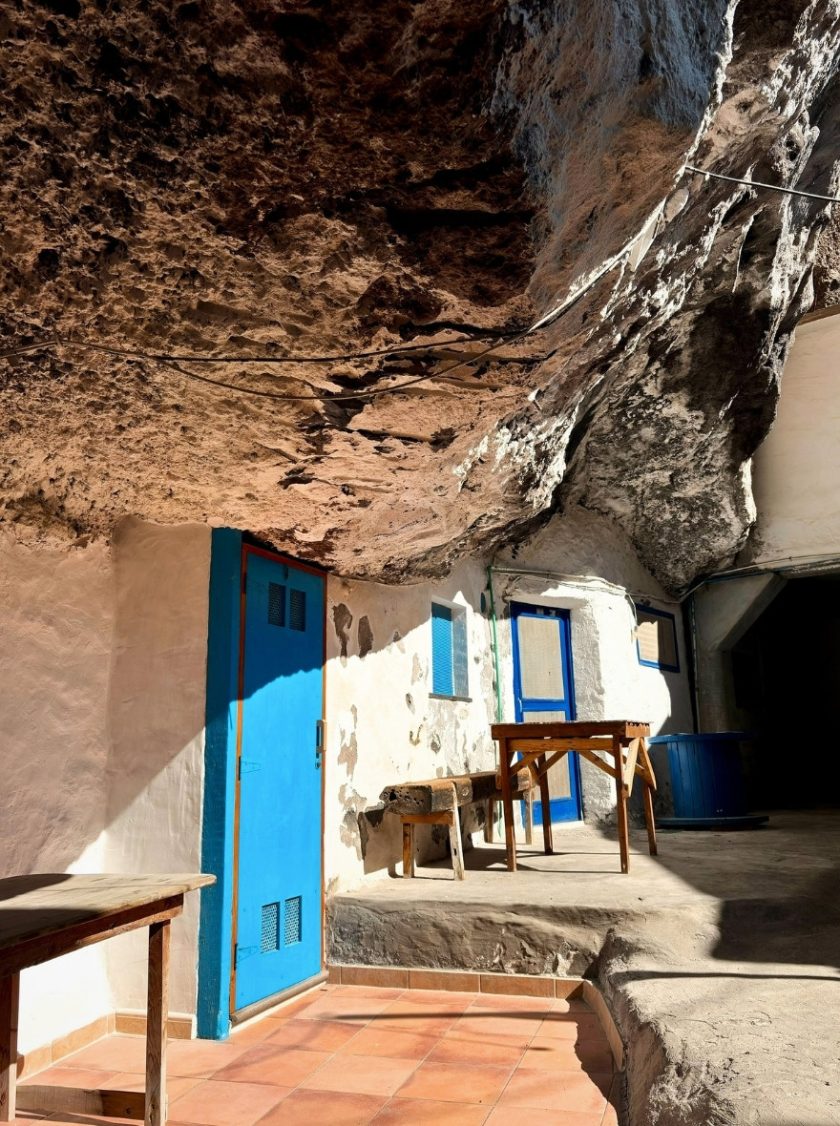
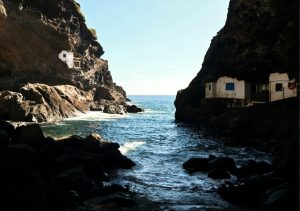
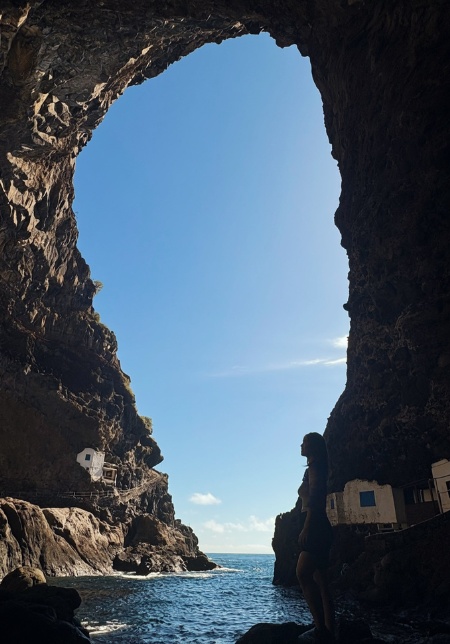
This one requires some effort and rewards it entirely. Poris de Candelaria is a small settlement of whitewashed houses built inside a wondrous sea cave on the island’s west coast, near Tijarafe.
There are two ways to reach it: one is on wheels carefully navigating a road filled with precarious hair-pin bends, the other is hiking down the 700-metre elevation drop to the bottom.
In retrospect, we probably should have drove, which is doable if you’re cautious but we opted to hike. The hike going down is stunning and we enjoyed it immensely. However, the hike back up nearly broke me under the heat.
The settlement has been here since at least the 16th century. Its hidden position gave rise to the legend that it served as a pirate refuge, and the nickname has stuck – Pirate Bay. What it actually is: a handful of low white houses sheltered under enormous overhanging rock, a black pebble beach, the sound of the sea, and complete silence.
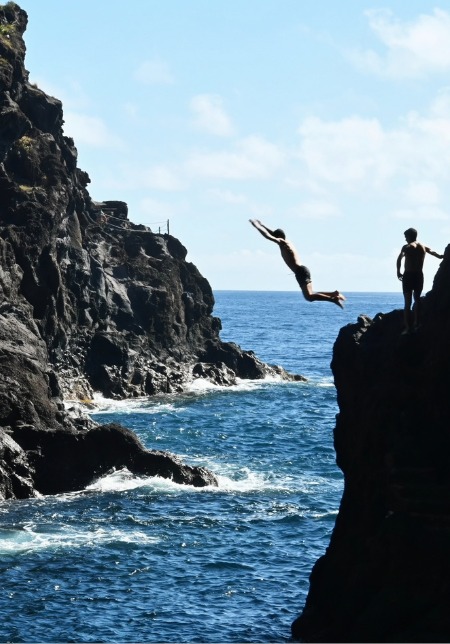
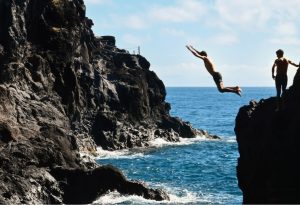
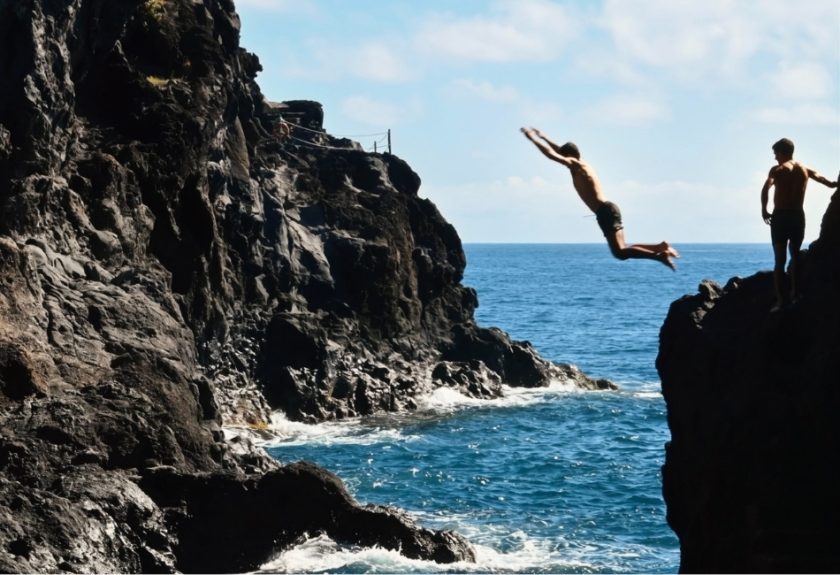
I watched a couple of dare-devils diving from the side of the cliffs. They were loving the thrill of the moment judging by the numerous times they dragged their youthful bodies in and out of the water. It looked like a tempting activity but I wussed out, deciding it would be just my luck to break a bone if I tried.
Since the location is quite tricky to reach, this means it’ll just be you and a handful of people, making the experience feel even more like you’ve stumbled upon somewhere forgotten by the rest of the world. Whether you’re looking for something unique to do or chasing that perfect holiday shot, it’s definitely worth visiting.
5. Visit the Roque de los Muchachos Observatory
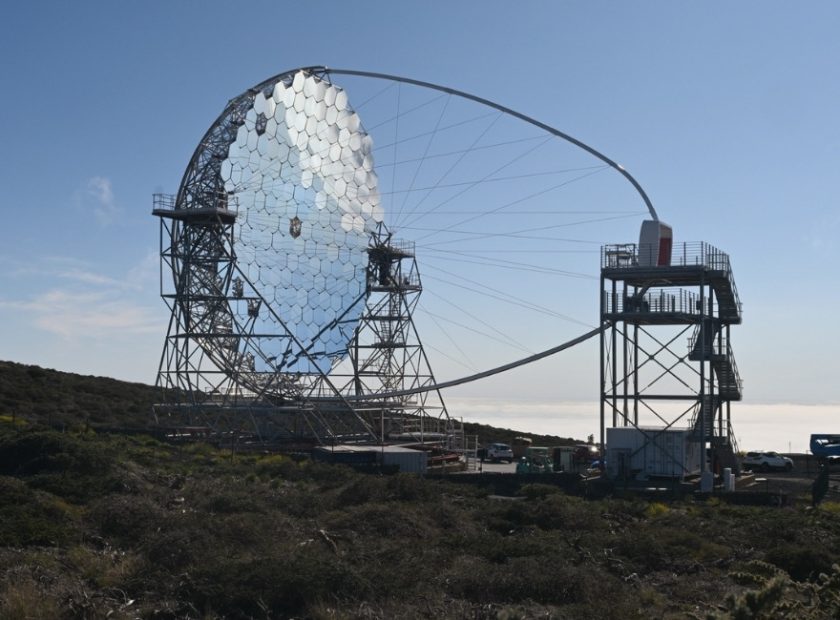
High on the northern ridge at 2,400 metres, the Roque de los Muchachos Observatory is one of the most important astronomical sites in the Northern Hemisphere. The altitude, the air quality, and the island’s strict light pollution laws combine to create conditions that attract scientists and telescopes from across the world – including the Gran Telescopio Canarias, which is the largest single-aperture optical telescope on the planet.
The observatory runs daytime guided visits and you don’t need a science degree to appreciate what you’re looking at. The views alone make the trip worthwhile: on a clear day you can see Tenerife, La Gomera, and El Hierro floating in the distance. At that altitude the air is thin and cold, so bring a proper jacket even in summer.
Be sure to visit the astronomical museum and dazzle yourself with facts about our planetary system. Afterwards, several local companies run evening stargazing sessions lower down the mountain using portable telescopes. I gave this a pass because I had recently done a stargazing tour in the Atacama Desert, but if it’s anything like that one, it’ll blow you away.
6. Wander Santa Cruz de La Palma
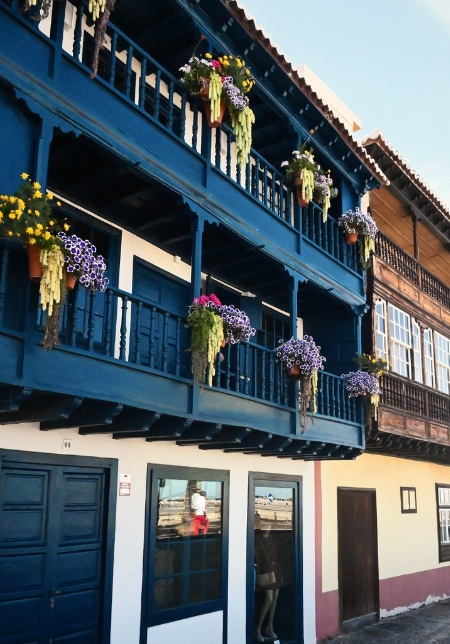
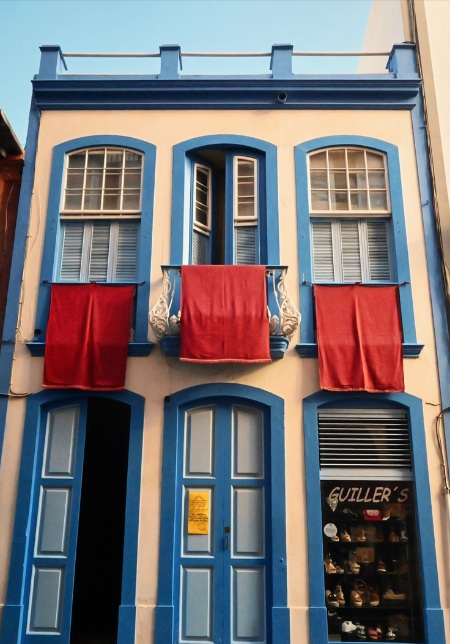
The island’s capital is one of the most beautifully preserved colonial towns in the Canary Islands, and it’s almost entirely overlooked by visitors heading to the bigger islands.
Santa Cruz de La Palma was established at the end of the 15th century and grew wealthy on trade routes between Spain, Africa, and the Americas – by 1558 it was home to the first Courts and Assizes of the Indies, which gives some sense of how important it was.
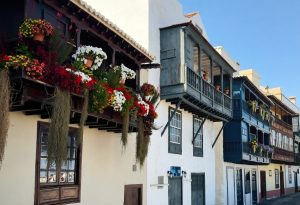
The old town is a pleasure to walk through at no particular pace. Avenida Maritima – the seafront promenade – is lined with brightly painted merchant houses with traditional Canarian timber balconies.
The Plaza de Espana and the church of El Salvador are worth time. The Insular Museum has a strong collection of local art and historical artefacts. And the town’s Thursday market is a good place to pick up local food and understand what the island actually produces.
Tip: If you’re looking for a caffeine fix, make a bee-line for Banana Cafe, a vibrant spot that whips up an excellent variety of coffee, snacks and tasty treats. And don’t worry if you’re an alternative milk drinker, this place has you covered.
7. Spend time in Los Llanos de Aridane
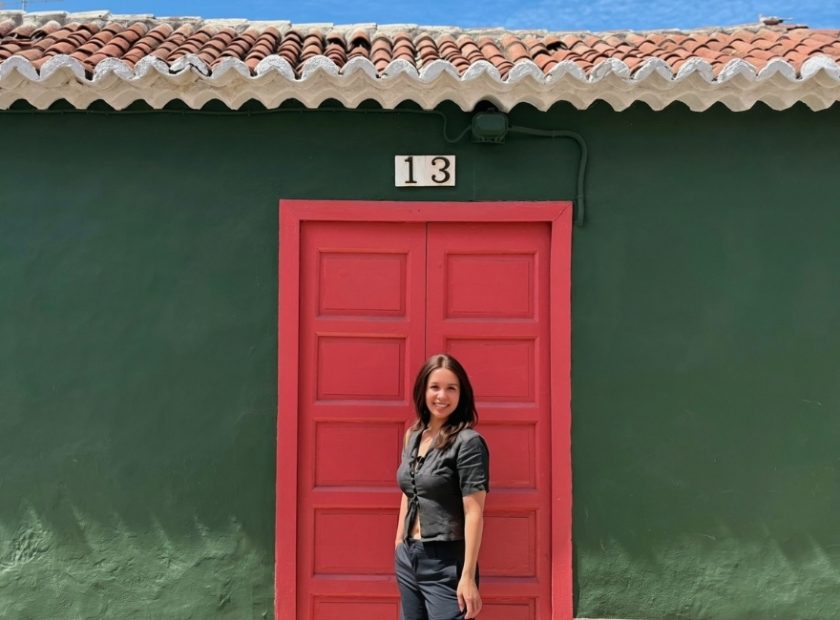
Often considered the ‘real capital’ by locals, Los Llanos is the island’s most populous city and commercial hub of the western side. It’s the place where islanders actually live and go about their days, which makes it a more genuine experience for a taste of local life and atmosphere.
The Plaza de Espana at the centre of town is shaded by huge Indian laurel trees and surrounded by Canarian architecture, including the church of Nuestra Senora de Los Remedios dating to the early 16th century.
You can spend hours here visiting independent restaurants, shops, small museums and a myriad of charming streets filled with characterful houses and wall murals. The colourful buildings around Calle Real are particularly dreamy.
8. Eat like a local
La Palma’s food scene is rooted in the land. The island grows a large proportion of what it eats. The fact that bananas, avocados, papaya, tomatoes, almonds and much more thrive on the island speaks to the wonderful climate and mineral-rich soil. The result is a local cuisine that favours flavour over anything too complicated.
Almost every menu consists of the staple dish papas arrugadas: small potatoes boiled in heavily salted water until they wrinkle and develop a crystalline crust, served with mojo verde (coriander, garlic, and green pepper) or the red mojo rojo.
The island also produces its own goat’s cheese, honey, and a soft fresh cheese called queso de cabra that pairs very well with the local mojo. Head to Gastrobar El Tendal for their starter of grilled cheese topped with lashings of cilantro mojo and thank me later.
Ropa vieja is another staple: slow-cooked, pulled chickpea and meat stew that varies by household and always improves with a glass of local wine alongside it. I recommend making a bee-line for Tasca Luis in Santa Cruz for good value, yummy, home-made plates.
On the seafood side, cherne (wreckfish) and vieja (parrotfish) are menu favourites, best eaten simply grilled with a squeeze of lemon. Octopus is also popular and there’s hardly a place that does it better in the whole of Spain. In Los Llanos and Santa Cruz you’ll find good restaurants doing exactly this.
9. Pack your hiking boots and hit the trails!
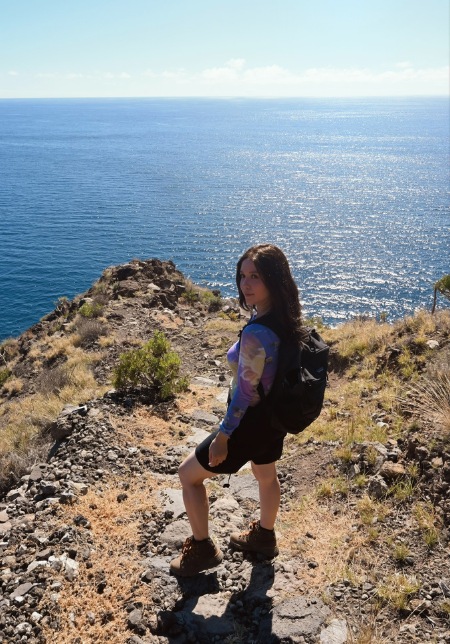
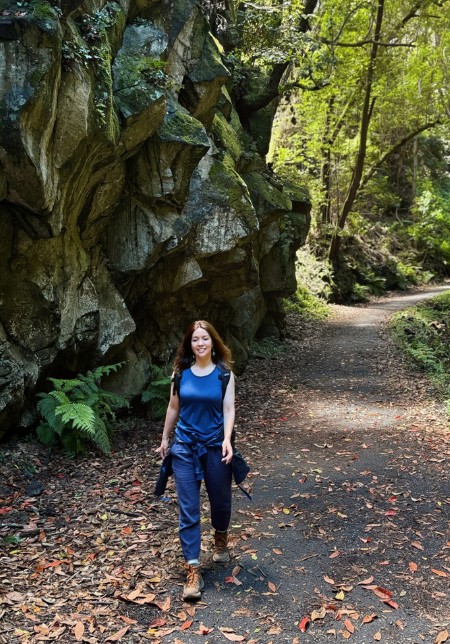
With over 1,000 kilometres of marked trails crossing volcanic ridges, ancient forest, deep ravines, and coastal cliffs, the island is essentially built for walking. The trails are well-maintained and well-signposted, and the island’s relatively small size means you can cover a lot of ground without needing to commit to a full expedition.
Most routes will demand something of your legs. That said, there’s something for everyone regardless of fitness levels. Here are some of the trails worth putting on your list:
- Cubo de la Galga – I’ll start with the easiest. This circular trail takes you through one of the best-preserved laurel forests on the island, located in Puntallana in the northeast. The shorter loop is around 5km; and the longer version climbs to the Somada Alta viewpoint and covers closer to 12km. The forest is ancient – ferns, laurels, and big ol’ trees in a landscape that looks like it belongs to another era. Difficulty: easy to moderate.
- Barranco de las Angustias, Caldera de Taburiente – A 12km round trip along the valley floor of the national park, following the river to the Cascada de Colores. Fans of geology will appreciate a waterfall stained vivid reds and yellows by iron and other minerals in the rock. You’ll traverse waters (hiking sandals highly recommended), climb over boulders, and emerge at one of the most surreal natural features on the island. Difficulty: moderate.
- Ruta de los Volcanes – Unfortunately I didn’t have time to do this hike or maybe I was too busy relaxing… oops! I’m gently kicking myself because this is said to be the island’s most dramatic hike, running 17km along the crest of the Cumbre Vieja through volcanic cones, lava fields, and open ridge. Plan for at least 5 – 6 hours and bring plenty of water. Difficulty: moderate to hard.
10. Fuencaliente: salt flats and volcanic wine
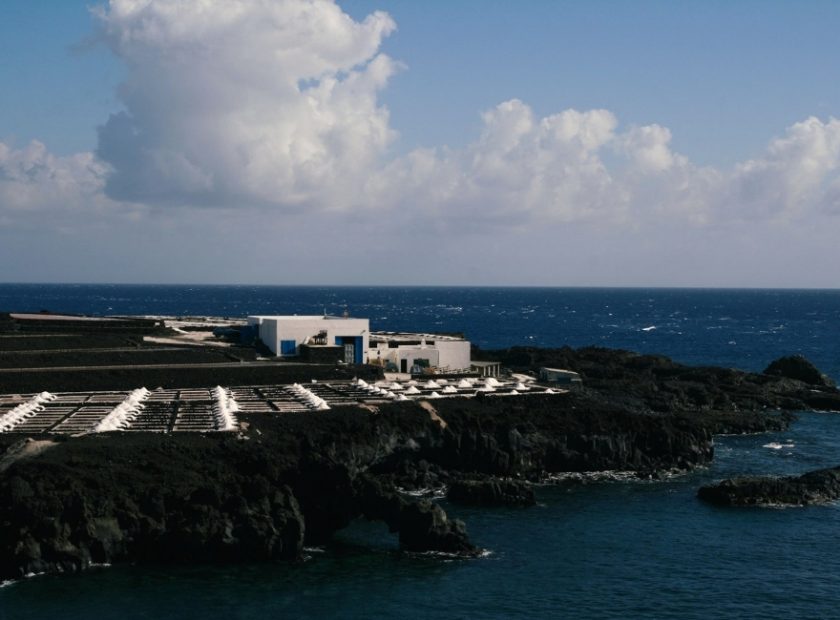
Now it’s time to head south to Fuencaliente, one of the most unique parts of La Palma. The salt flats here have been worked since the 16th century, harvested manually between May and October, and they’ve been designated an Official Site of Scientific Interest. The visual contrast between the white salt, the black volcanic rock, and the blue Atlantic is a sight to behold.
The area around the salt flats is also wine country. The volcanic soils of the area, full of minerality, produce wines of distinct character such as the Malvasia varietal, which has deep roots here. Bodegas Teneguia is the most well-known producer, with more than 60 years of history.
If the wine wasting doesn’t pull you in too deep, take a walk to the Fuencaliente lighthouse which extends towards the wild sea.
11. Visit the Silk Museum in El Paso
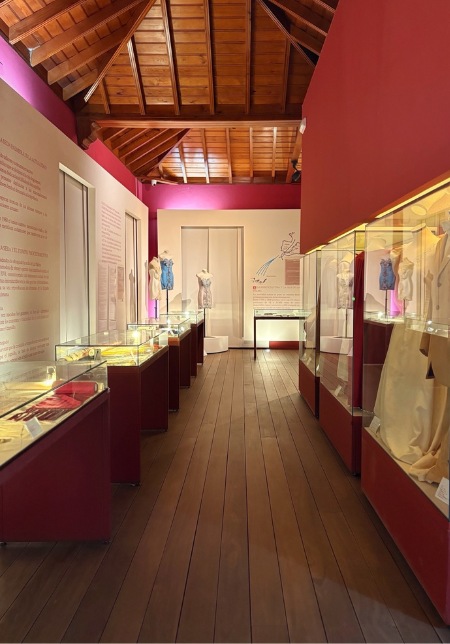

On your way to Los Llanos de Aridane you pass the small but lovely town of El Paso. It’s home to something genuinely rare: the Museo de la Seda Las Hilanderas, which keeps alive a silk-making tradition that has effectively disappeared everywhere else in Europe. The tradition arrived with settlers centuries ago and somehow survived here long after it faded on the mainland.
The museum is run by a small group of women who still carry out the entire silk-making process by hand. You can watch a live demonstration that begins from rearing silkworms through to spinning and embroidery. The museum is small but interesting and puts you in touch with a piece of living history that you’re unlikely to find anywhere else.
12. El Tendal Archaeological Park
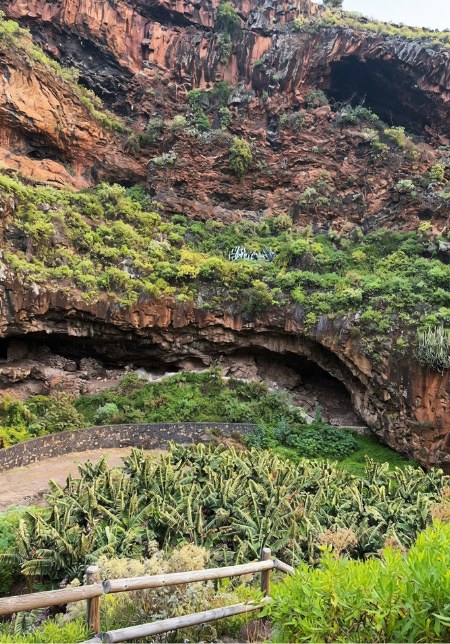
Want to get a better understanding of the island’s history? El Tendal Archaeological Park in San Andrés y Sauces was home to the Benahorites, the aboriginal people of La Palma, for over a thousand years. Five separate excavation campaigns have been carried out here, and between them they’ve turned up thousands of fragments of daily life: ceramics, stone tools, bone utensils, shells, charred plant remains, fish bones, evidence of domesticated animals.
The adjoining museum does a good job of contextualising all of it. Inside are original artefacts, explanatory panels, audiovisuals, and a video mapping installation that brings the customs and rituals of the island’s first settlers to life. After the exhibition, a guided walk leads out to Tendal Cave itself.
We didn’t go inside the cave but our guide, Anton, was amazing at filling in the details. He was so good in fact, and spoke equality about the native plant species, that he reminded me of David Attenborough. Both very knowledgeable and eloquent men!
Being close to the actual space where people lived, cooked, and buried their dead for a millennium adds a weight to everything you’ve just learned inside. Entrance is €8, children under 12 go free.
Must-do: Grab lunch beforehand at the onsite café (Gastrobar El Tendal) with a panoramic view over the ravine down to the sea. The ingredients are locally sourced and high quality.
Best way to get around La Palma
Hire a Car
- I hired a car in La Palma and it definitely gave me the freedom I wanted. The island’s terrain means the best spots are easily accessible.
- Roads can be narrow and winding at altitude – take it slow and enjoy the drive. It’s part of the experience. Locals favour driving smaller, more compact cars and I recommend the same for navigating the smaller roads.
- It’s incredible to me that you can park almost everywhere for free on the island. Basically all parking bays within the white lines are free to park for unlimited time.
Get around by bus or guided tour
- Buses in La Palma are operated by Transportes Insular La Palma (TILP). The network is safe, clean, and reliable, connecting the main towns, coastal areas, and villages across the island. If your final destination is a bit further off the beaten track, you might need to walk the remaining stretch or catch a local taxi.
- Hotels such as Hacienda San Jorge offer prebookable tours to a variety of attractions along the island.
- For a full list of tours available in La Palma, browse GetYourGuide.
Visit Jet2 website for more information about holidays to La Palma, including scheduled flights, departures, and accommodation. If you’re travelling on a budget, keep updated with discounts and selected cheap holidays to a wide range of destinations.