Initially I thought Cusco functioned as a springboard to explore bigger attractions like Machu Picchu, but it’s so much more than that. Once you acclimatise to the high-altitude, you’ll find that Cusco is filled with a fabulous array of things to see and do.
The streets of Cusco are steep and awash with woven textiles and history on every corner. It’s like a beautiful open-air museum. All around the city you can find evidence of the great Inca empire stacked stone upon stone with inexplicable accuracy.
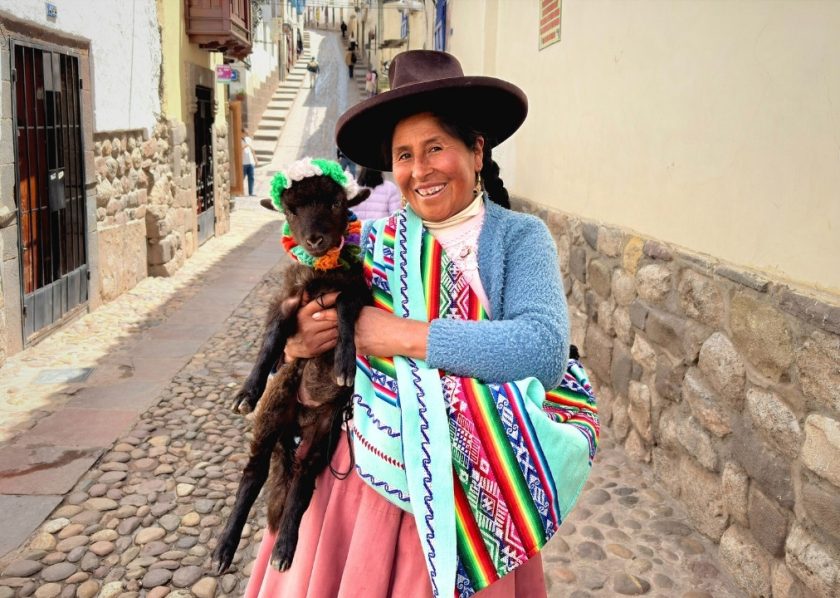
Cusco honestly combines everything you think of when travelling to Peru: archeological wonders, Inca history, cute alpacas, and colourful patterns everywhere. You’ll see Quechua people who are descendants of Incas selling their wares and showcasing their traditions. It’s a city bursting with culture.
If you want to know more about Cusco, you’ve come to the right place. Here, I’ve put together a list of my favourite attractions, foodie spots, and day trip adventures.
A bit about the history of Cusco
Cusco is believed to be the longest, continuously inhabited city in all of the Americas, going back 3,000 years. Before the Incas ever laid the first stone of their empire, other Andean cultures had already carved out lives, farms, and temples in the Cusco Valley.
The Incas inherited and absorbed what came before. The empire flourished from the 13th to 16th century until the Spanish conquest that brought guns, disease, and the cross.
With Cusco weakened, the Spaniards defeated the Incas and took control of the city. They quickly began dismantling the palaces and temples. However, dismantling proved more difficult than they ever imagined due to the extraordinary Inca engineering.
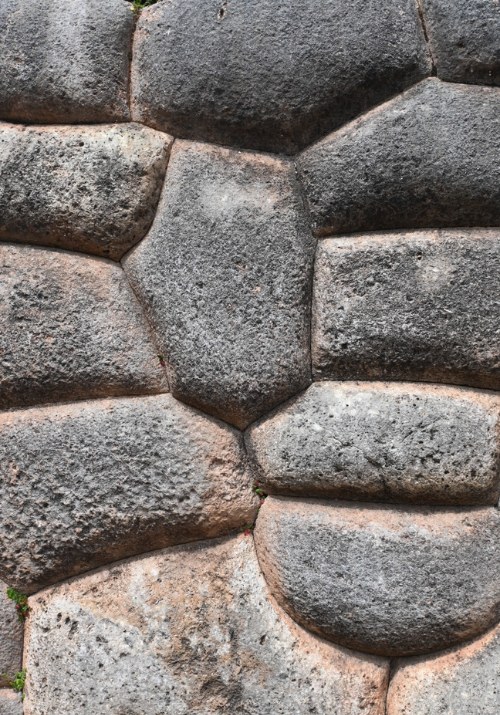
The solution? The Spanish built on top of existing structures. Colonial houses and churches sit on the remains of Inca walls, which are easy to identify due to their remarkably skilled stonework. Earthquakes brought down newer buildings and yet the Inca foundations still stood.
Despite the conquistador’s efforts to squash the indigenous culture, they failed. Today, almost 65% of the population in Cusco identify as Quechua ethic group – the descendants of the Inca Empire. Both Spanish and the Quechua language are the most commonly spoken languages. Cusco is truly a bilingual city with a rich and complex history.
Arrival at altitude – take it easy
Cuscos sits at a lofty 11,000 feet (3350 metres) above sea level. Many visitors choose to take an altitude pill the day before arriving and pack a few more for the following days. Common symptoms of altitude sickness include headache, fatigue, dizziness, and shortness of breath.
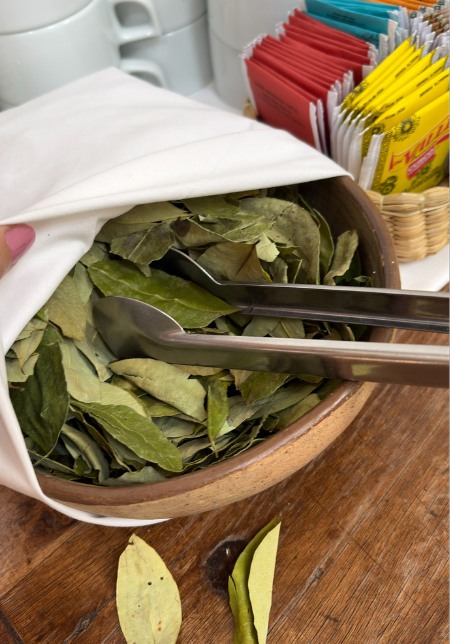
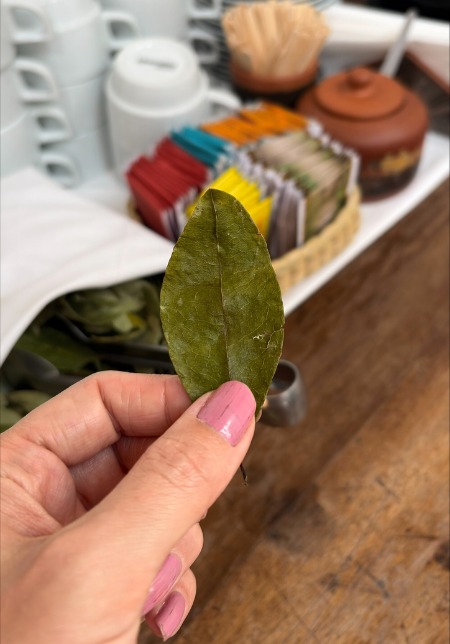
Thankfully I wasn’t really affected but still opted to sip on some coca tea (mate de coca) and chewed occasionally on coca leaves which the locals recommend and take themselves. You’ll find shops selling them everywhere, and most hotels offer them to guests.
The biggest change I noticed was that walking uphill felt unusually arduous. A distance that might typically take 5 minutes doubles in time. My advice is to go slow and steady – particularly as you acclimatise. You’ll adapt but if you’re the kind of person that wakes up for a spritely morning run then good luck with that!
Purchase a bolero turistico ticket
Many of Cusco’s most important archaeological sites can only be accessed by buying a ticket called the boleto turístico, which covers entrance to 16 different sites. It costs 130 soles (about $38 / £29) for the full 10-day ticket.
We quickly totalled up all the things we planned to see and realised it would be worth it. The ticket covers sites in other places in the Sacred Valley which we planned to visit such as the Ollantaytambo Ruins and the Inca Ruins at Pisac (I highly recommend both places if you have time! I’ll be writing about these places soon).
We purchased our bolero turistico ticket directly from the entry gate at Saqsaywaman. However, if you only plan on seeing just one or two sites, then you can purchase a separate ticket. Do note that there are a couple of museums in Cusco that only allowed entry with the turistco ticket so having a ticket really is advantageous if you want to see everything Cusco has to offer.
Top attractions and things to do in Cusco
In this section I will guide you on the best things that you can do and see from the centre of Cusco by foot.
It’s a diverse list to ensure there’s something for everyone depending on your interests: culture, hiking, history and food. Cusco is filled with many small museums but I’ve narrowed down a selection which I think appeals to a broad audience.
Later, I’ll be talking about the best day trips and nearby places that you can visit from Cusco including the famous Machu Picchu – Peru’s most famous attraction.
1. Explore the Inca ruins of Sacsayhuaman
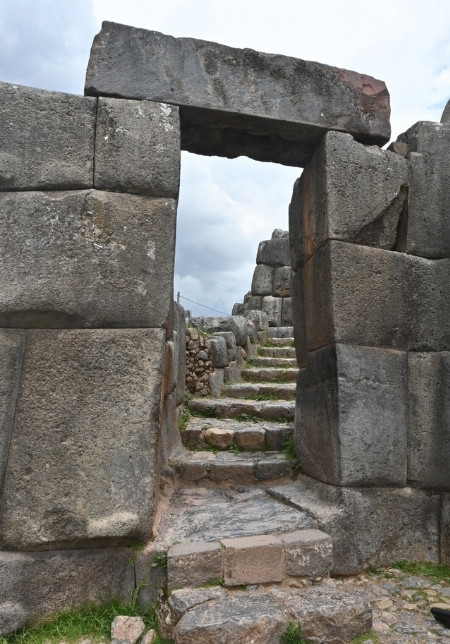
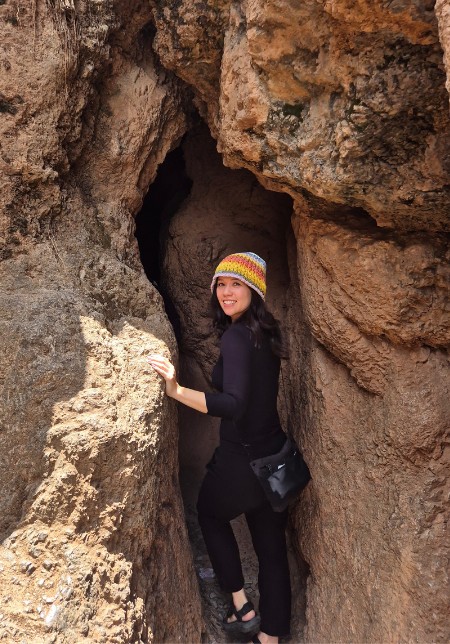
If you only make time for one archeological site in Cusco, make it Sacsayuaman (pronounced similar to ‘sexy woman’). High above the city, the megalithic walls look like something dreamt up by gods.
To walk from the centre, it takes around 40 minutes. It’s super close but I’m accounting for the fact that it’s an uphill walk and everything is a little slower in altitude. From this height you’ll also be granted stunning views of the city below.
Each stone fits into the next like a jigsaw with impossible precision without the use of mortar. Some of the blocks at Sacsayhuamán are estimated to weigh up to 200 tonnes – that’s about the weight of 130 cars. And yet the Incas moved them without the wheel and iron tools. No one’s entirely sure how. The whole thing looks so impossible, in fact, some genuinely believe it’s the work of aliens or giants.
While this is, of course, a conspiracy, I don’t even blame people for coming to this conclusion. It’s not just a ruin; it’s a statement and a mystery that the Inca took with them to the grave. These guys were the masters of masonry.

Don’t miss: Look out for the Puma paw made to fit within the stone walls. The puma was a revered animal in Inca mythology, representing the Kay Pacha, or the world of the living. It symbolised strength, intelligence, and power on earth.
Recommended: While you don’t need a guide to explore Sacsayuaman, I would definitely recommend getting one. We took up the offer from one of the local guides waiting at the entrance. Usually I’m happy exploring on my own, but he really brought to life these incredible ruins and revealed much about the place and Inca beliefs which I found fascinating.
2. Soak up the atmosphere of Plaza de Armas
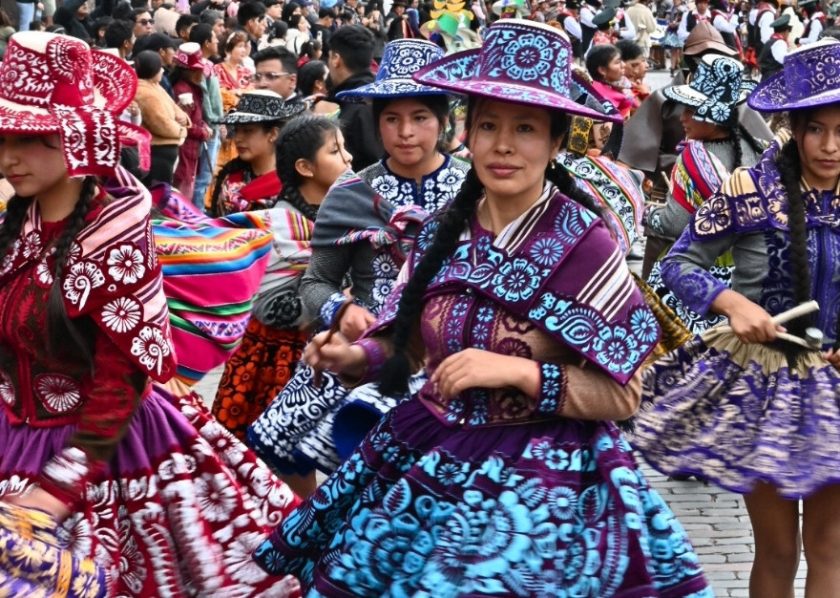
The city’s beating heart is all laid out for you to see at Plaza de Armas. Once the ceremonial centre of the Inca world, it’s now framed by colonial arcades and twin cathedrals. The interior of the churches are well worth seeing inside, lots of gold leaf and rather terrifying depictions of Jesus on the cross.
Cusco Cathedral is particularly impressive with its giant internal columns. There’s also a large painting of the Last Supper depicted Peruvian style with a guinea pig at the centre of the table which I found rather amusing. For whatever reason photos are prohibited inside most holy places in Peru so I wasn’t able to take a photo.
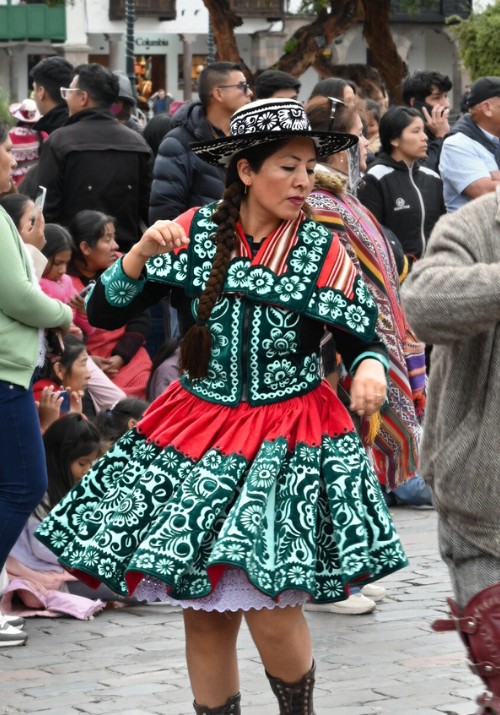
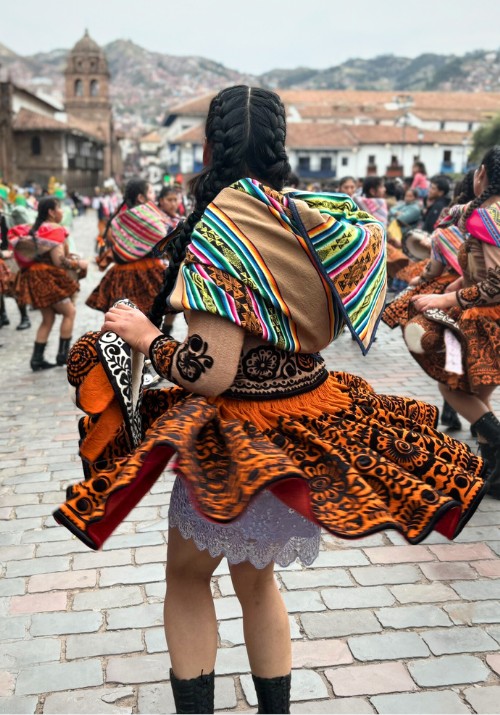
However, it’s all about the atmosphere outdoors. Plaza de Armas is truly the best place for people watching. On the weekend it seems there’s always a big festival with incredible processions that include dance, music and marching.
Peruvians from across the region of Cusco travel to Plaza de Armas to partake in these ceremonies. There’s something almost every weekend. Bring your camera to catch the incredible costumes. These festivities are a feast for all the senses.
3. Marvel at artefacts inside the Pre-Columbian Art Museum

If you’ve already been to the Larco Museum in Lima and loved it, then you’re in for a treat. The Museum of Pre-Columbian Art in Cusco has been established by the creators of the Larco Museum and offers the same high-quality curation.
If you only visit one museum in Cusco, I’d probably recommend this one – though hopefully you won’t be pressed to make such a decision! The collection is set inside a building that used to be a former Inca courthouse that has now been beautifully renovated.
If you’re familiar with the work of Picasso and even Keith Haring, you’ll notice some remarkable similarities depicted on the pottery. I’m certain these artists took inspiration from the creative works bestowed by the Incas and other pre-columbian civilisations.
4. Wander around San Blas District
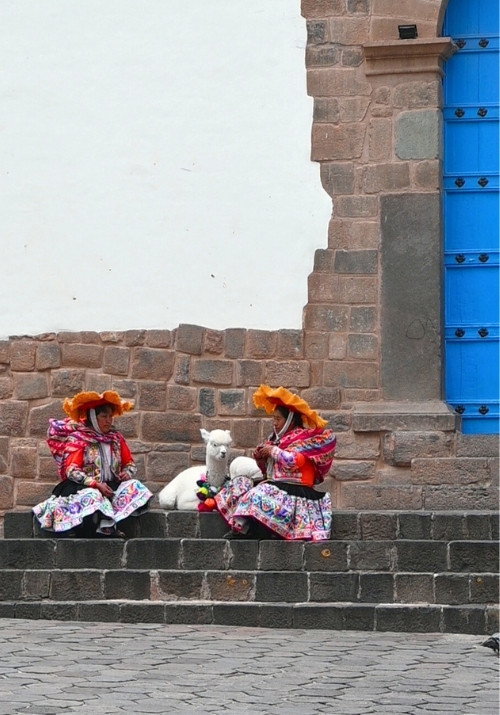
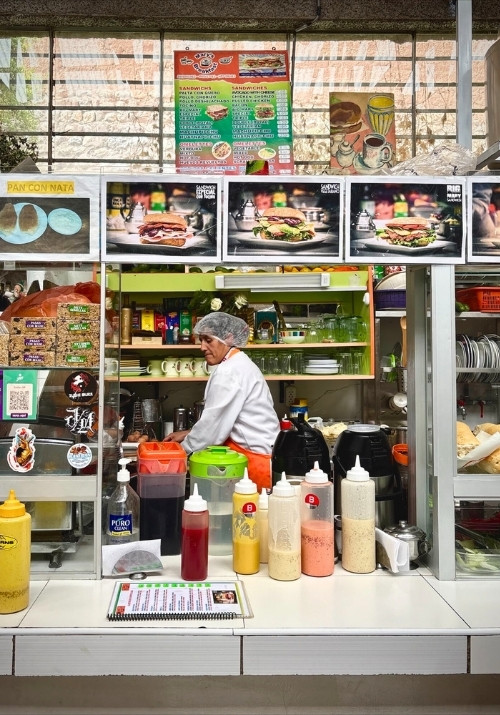
Whitewashed walls, blue balconies, and streets so steep they should come with warning signs. San Blas is Cusco’s bohemian quarter – full of artist studios, galleries, and coffee shops where you can catch your breath and possibly a bit of altitude sickness at the same time.
You need to wander uphill to get there so take it easy if you’re still acclimatising. Take a wander inside the local galleries, a weaver’s shop, and the cafés serving espresso strong enough to start an engine. My favourite part of the district is Mercado “San Blas” – the food stalls are among the best in the city and offer both great taste and value.
Pull up a seat at Brew Bro and enjoy the best coffee in the city or grab a sandwich the size of your face at Mary’s Breakfast. The market offers great quality to value ratio. Come for lunch and be sure to arrive hungry.
5. Visit the History of Cusco Museum

Another museum that I found interesting was the History of Cusco Museum. The ground floor focuses mainly on pre-Inca and Inca history, with artifacts, maps, and models that explain how Cusco developed as the heart of the empire. The curation is very nice, being a bit more stylised than the average museum display.
The upper floor centres around the Spanish conquest, colonial period, and modern history, showing how the city transformed and how those layers still coexist today. There’s a really poignant painting that the depicts the invasion of Cusco and really captures the terror and injustices experienced by the Inca people.
6. Head inside San Pedro Market
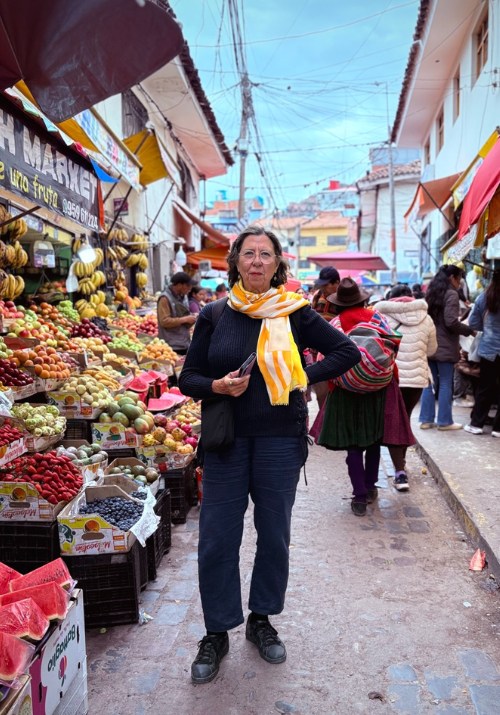
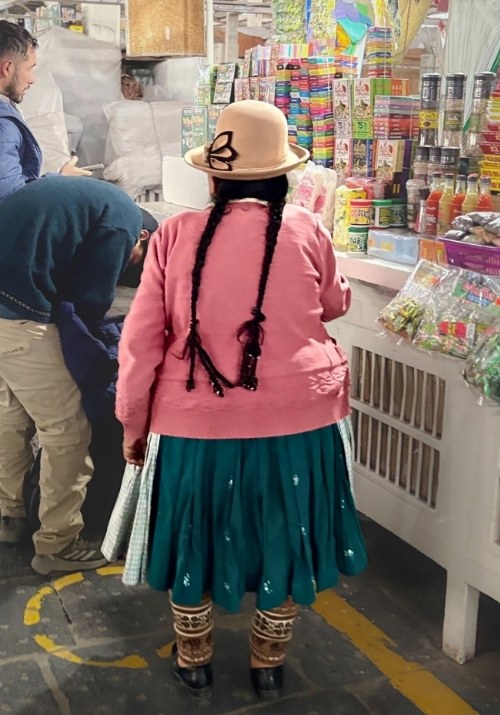
While the market in San Blas is catered more to Western tourists, San Pedro Market is where the locals go. If you want the pulse of Cusco, this (along with Plaza de Armas) is your place. Vendors sit among pyramids of fruit and sacks of quinoa and woven fabrics. It’s a bit messy and chaotic, and that’s why I like it.
I personally didn’t eat here, but there’s lots to try if you’re feeling peckish: fresh juice, tamales, local cheese or a hearty bowl of caldo de gallina – Peruvian chicken soup.
Most of all, the market is a treat for the eyes. The patterns, colours, the stalls and watching the locals go about their day is a treat for the senses. If you love travel photography, you’ll be in your element. Arrive armed with your camera. Be sure to walk around the nearby streets which sprawl out with more fruit stalls.
7. Visit Qorikancha (Temple of the Sun)
A lot of people spoke about Temple of the Sun as a must-see attraction in Cusco so I went over to check it out. To be honest, as a place to see Inca stonework I much preferred Sacsayuaman. However, it’s important to take the history of this place into account to fully appreciate your visit.
For the Incas, the sun god Inti was everything: giver of life, protector of the empire, ancestor of the Sapa Inca. Qorikancha was Inti’s most sacred temple. Its walls were once covered in sheets of solid gold, reflecting sunlight so intensely that chroniclers described it as blinding.
After the Spanish conquest, the gold was stripped away and the Convent of Santo Domingo was built directly on top of the Inca foundations. The Spanish understood this was the most powerful place in Cusco, and by occupying it, they aimed to claim both spiritual and religious authority over the city. But earthquakes told the real story: the Spanish structures cracked and fell, while the Inca stone endured. Cusco’s Inca heritage could not be erased.
It’s located in the centre of town so requires no effort whatsoever to pop over and have a gander. There’s a nice garden out the back as well if you’re looking for a green space to relax within the city.
8. Treat yourself to some alpaca clothing in Cusco
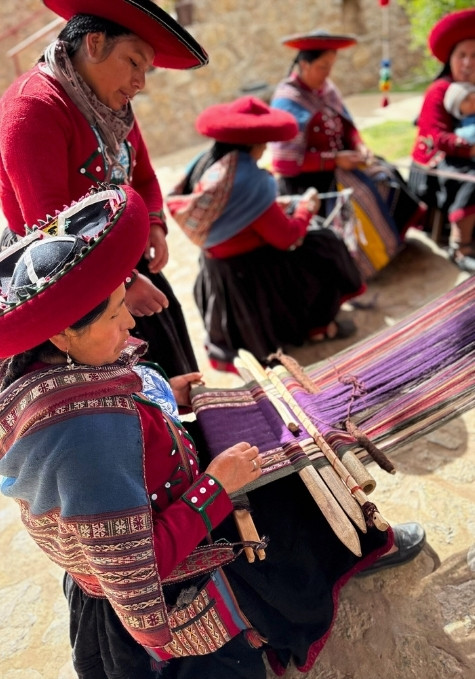
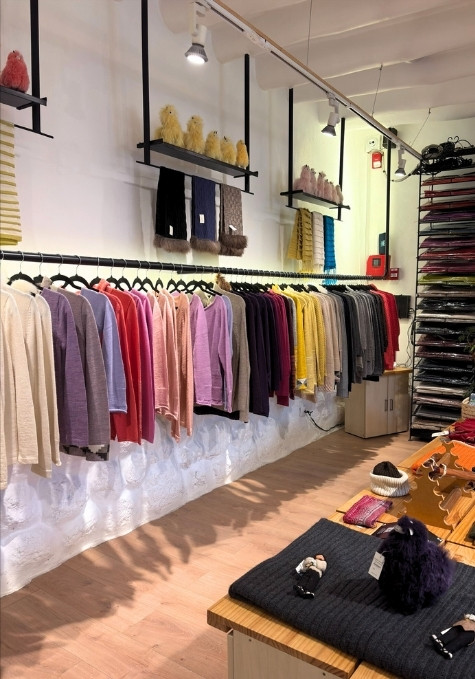
Shopping isn’t something I often recommend when visiting a city, but alpaca is usually so expensive anywhere else in the world, that it makes sense to buy it straight from the source – the Andes. About 80 -90 percent of the global population of alpacas live in Peru.
While it’s still not cheap, it’s still so much more affordable and the quality is exquisite. It seems like every other shop sells alpaca so it’s hard to resist.
Thankfully I was backpacking for several months around South America so I didn’t have room in my rucksack to buy everything I wanted. I did treat myself to a hat and some gloves and I bought a few small gifts for my family.
If I had more space, I definitely would have bought more. Fortunately, this wasn’t the case otherwise my bank balance would have greatly suffered! There are lots of chains like Sol Alpaca and Kuna which are great, but my favourite store was Alpaca Tamon which is a family run business with some really lovely designs.
9. See the Inca walls down Hatun Rumiyoc
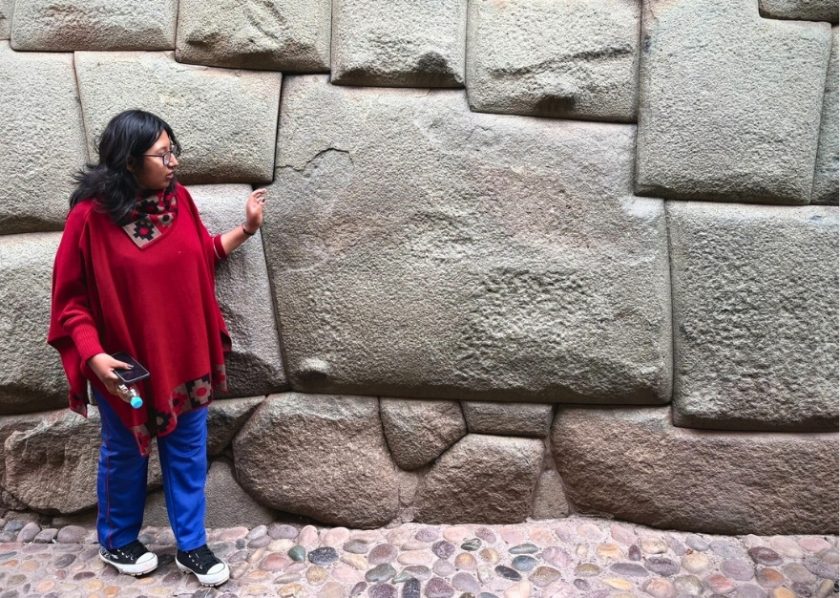
Walking down Hatun Rumiyoc Street will probably be your first introduction to seeing the incredible Inca stones up close and personal. It’s one of those jaw-dropping Cusco moments where you stop, slow down, and really look. Not even a blade of grass can slip between them.
The famous twelve-angled stone steals the spotlight. It might take a while to spot it, but that’s part of the fun. I stood for a while, counting the angles of several big stones. Nine, ten, eleven… and then there’s the slight satisfaction you get when you finally count twelve angles. Though you might not need to work so hard to find it – if you see people taking photos in front of a specific stone you have a clear clue!
10. Gorge on Peruvian cuisine
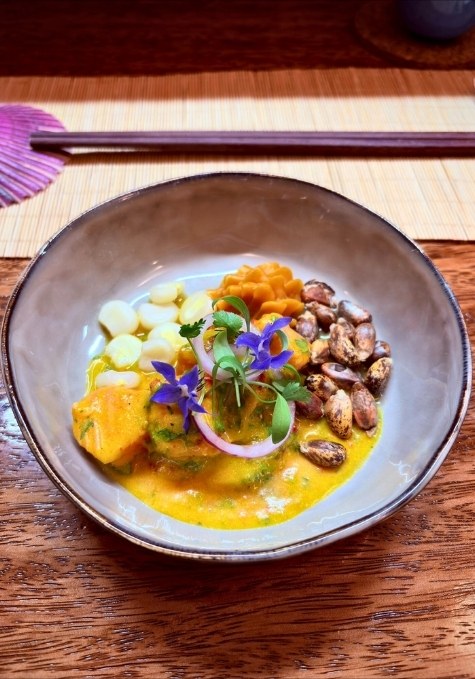
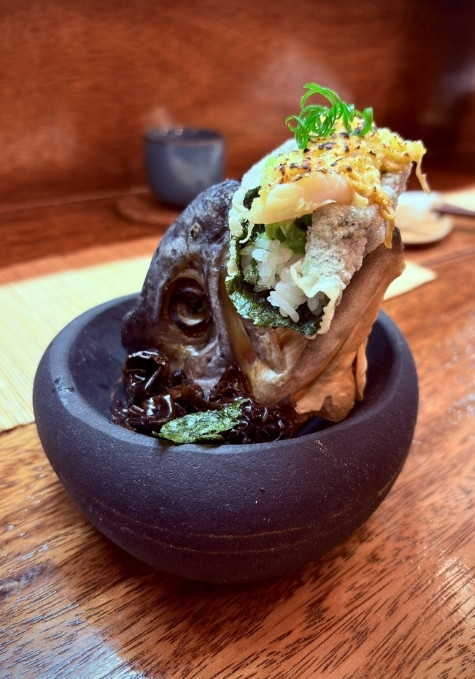
Peru is a Mecca for foodies and Cusco is no exception. In fact, if Peru is your first stop on a bigger adventure around South America, your tastebuds will be wishing you were still in Peru long after you have left. Well, if you’re seriously into your meats, then Argentina will be a strong contender!
Dining out in Cusco can absolutely dazzle. The city has developed a sophisticated food scene that takes Andean ingredients seriously and treats them with real technical skill. Chefs here work with quinoa, native potatoes, corn, alpaca, river trout, and Amazonian herbs, refining them rather than disguising them.
If you’re looking for something show-stopping I recommend Oh Tawa which is a Peruvian Japanese Restaurant. It’s intimate, creative and every dish is packed with flavour. I arrived here on my final day in Cusco and it was a memorable way to wrap up my trip. The presentation was simply out of this world. I ate ceviche countless times while I was in Peru, and the one at Oh Tawa ranks among the best.
At the same time, Cusco never loses its everyday backbone. High-end tasting menus coexist comfortably with humble picanterías and lunchtime set menus, and that contrast is part of the pleasure.
For something affordable and tasty, head over to Mercado San Blas at lunch. In the evening, I recommend pulling up a seat at New Garden where you can try local dishes such as llama as well as a variety of vegan dishes.
Best day trips from Cusco
11. Visit Machu Picchu
While you can visit Machu Picchu from Cusco by train in a day, it would be a rush so I recommend spending a night beforehand in either Ollantaytambo or Agua Clienas.
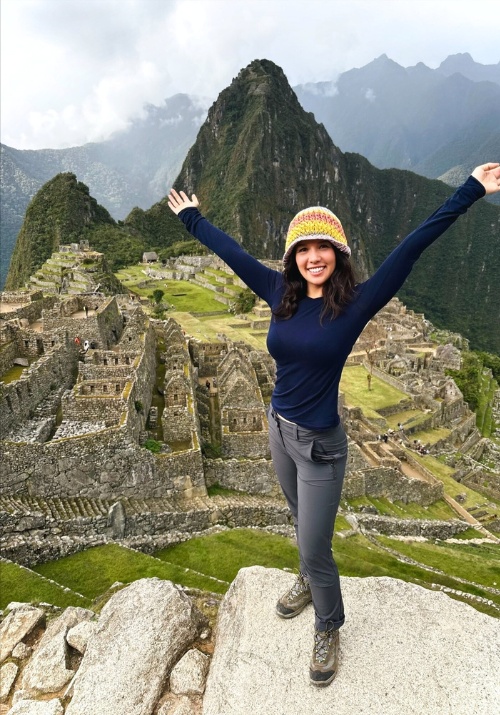
Anyhow, Cusco is the gateway to Machu Picchu, and I’m sure it’s at the top of your list of things to do and so it should be. If you’re concerned at all that it might be an overhyped tourist trap, let me reassure you now by saying it’s worth the hype. I had high expectations and it still exceeded them.
Whether you approach it by train or foot, the world-famous Inca ruins reveals itself slowly. Stone terraces emerge from cloud in what I can only describe as a ‘pitch me moment’. It’s one of the most breathtaking sights I’ve ever had the fortune of seeing with my own two eyes. I’ll never forget it.
12. Explore the Sacred Valley from Cusco
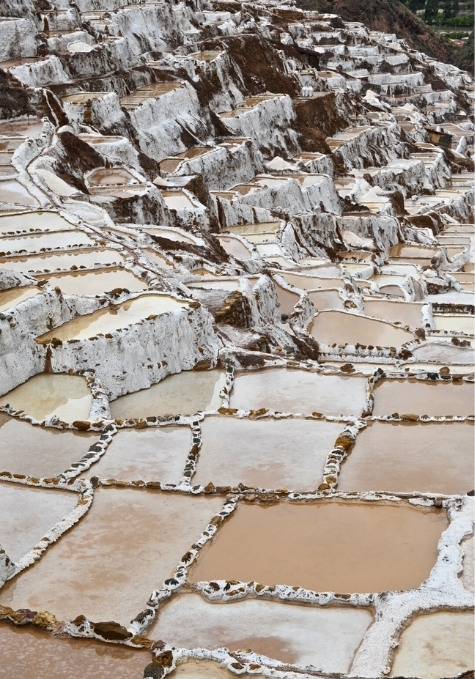
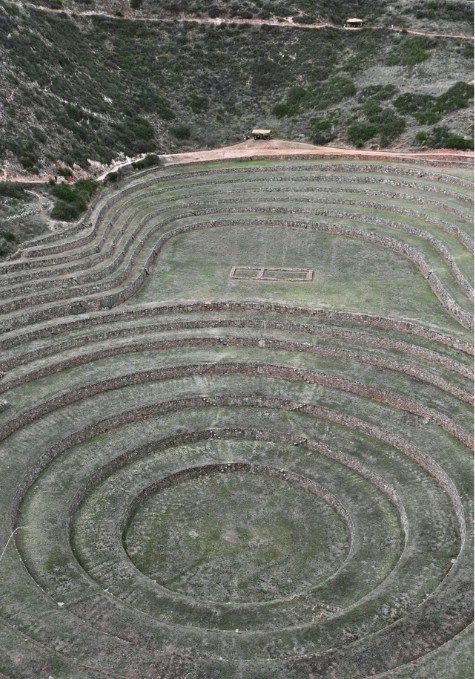
I loved this tour and it’s designed for all ages and fitness levels. The sacred Valley is where Cusco loosens its grip and lets you breathe within a backdrop of rolling hills and quaint towns. The altitude eases and the land unfolds in magical and mysterious ways.
In just one day you will visit a myriad of wonderful places with Moray archeological site and the Maras Salt Mines being highlights.
Moray is home to giant concentric circles carved into the earth, agricultural science masquerading as abstract art. It has an otherworldly appearance, in the same vein as cropped circles or another extraterrestrial site.
Nearby Maras is punctuated by thousands of terraced salt pools that cascade down the mountainside. It’s a sight so unusual and so sprawling that it verges on the surreal. Maras has been a continuously operating salt mine since pre-Inca times, showcasing impressive ancient engineering.
13. Soak up the spiritual vibes of Pisac
Pisac is also located within the Sacred Valley about an hour from Cusco. You can visit just for the day but it’s worth stopping over for the night if you have time.
The bohemian atmosphere is immediate and has become a home to spiritual seekers from all around the world – many choosing to stay for months on end. Dream-catchers hang above doors and down alleyways you’ll spot flyers advertising shamanic retreats and forest walks on magic mushrooms.
The main attraction of Pisac is the archaeological site located just a short taxi ride away from the centre of town. The vast terraces stabilised the steep mountainside, controlled water runoff, and created microclimates that allowed crops to grow at altitude. This wasn’t decorative farming; it was food security for the empire. It’s huge and the best Inca ruins I saw second to Machu Picchu.
14. Spend overnight at Ollantaytambo
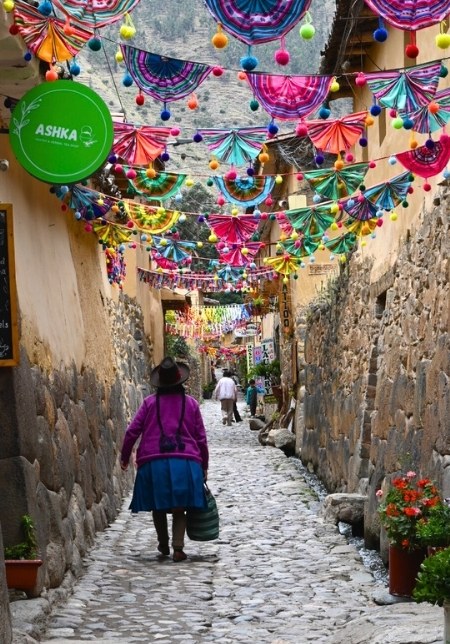
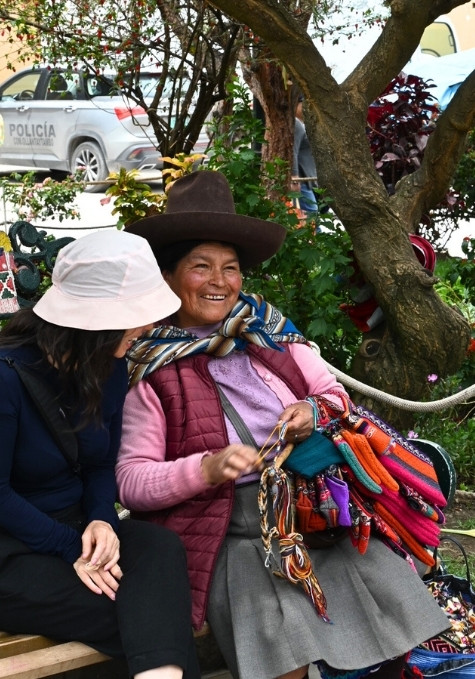
If you ask me what the prettiest town is in the Sacred Valley, the title goes to Ollantaytambo – about 1 hour 30 minutes’ drive from Cusco. It’s somehow both cute and imposing. This is Inca urban planning at full volume: water channels still running, streets still doing their job, stonework that probably looks just as beautiful as the day it was laid. It’s a wonderfully intact town that is a pleasure to experience.
The fortress rises sharply above the town, positioned strategically at height. The views are stunning with the town below and mountains peaks for miles around. I spent three days exploring the town and the surrounding hiking trails and I could have spent longer there just soaking up the peaceful atmosphere.
15. Take a tour of Rainbow Mountain
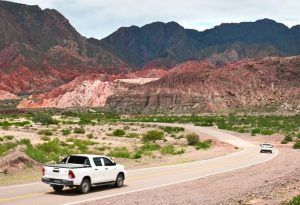
I actually didn’t do a tour of Rainbow Mountain because Argentina has its own rainbow mountain in the province of Jujuy which I’d already seen and loved. (Argentina is huge, and the Northwest region shares a surprising similarly with Peru and Bolivia in terms of culture and landscape).
Nevertheless, Rainbow Mountain is one of the most popular day trips from Cusco so I want to include it in this list.
This being said, I’ve heard mixed reviews of people who have visited ranging from it being a highlight to being rather underwhelming. One thing to bear in mind is that most photos of the multi-coloured mountain have been ramped up to make the colours look more intense which might be a contributing factor to the mixed reviews.
I advise you to do your research to see if it floats your boat. You can take a look at these available tours to Rainbow Mountain for more information. If you do decide to visit, like any tour, I always recommend booking a small group tour to maximise enjoyment of the experience.
I hope you found my guide to Cusco useful and if you have any questions feel free to leave them in the comment box below and I’ll get back to you!